How often does a grease trap need pumping?
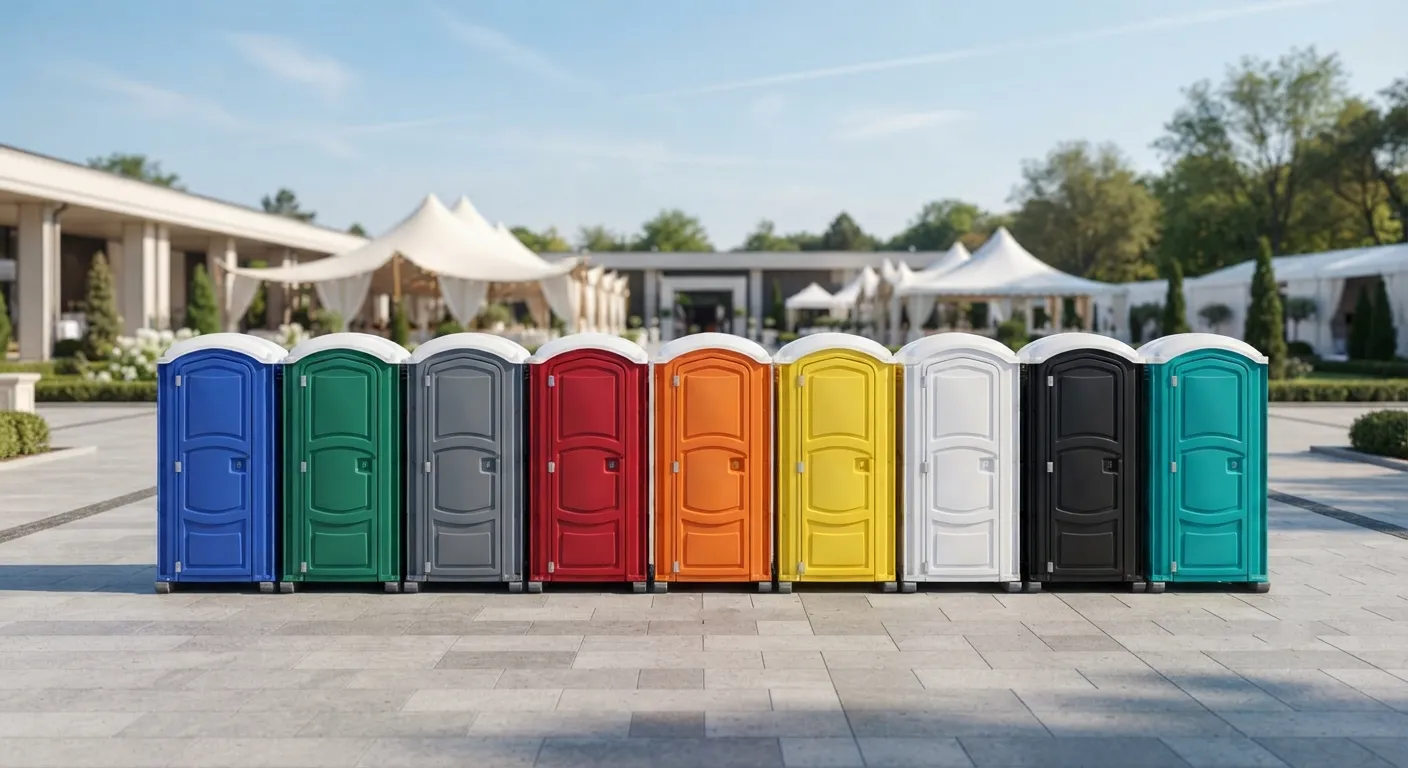
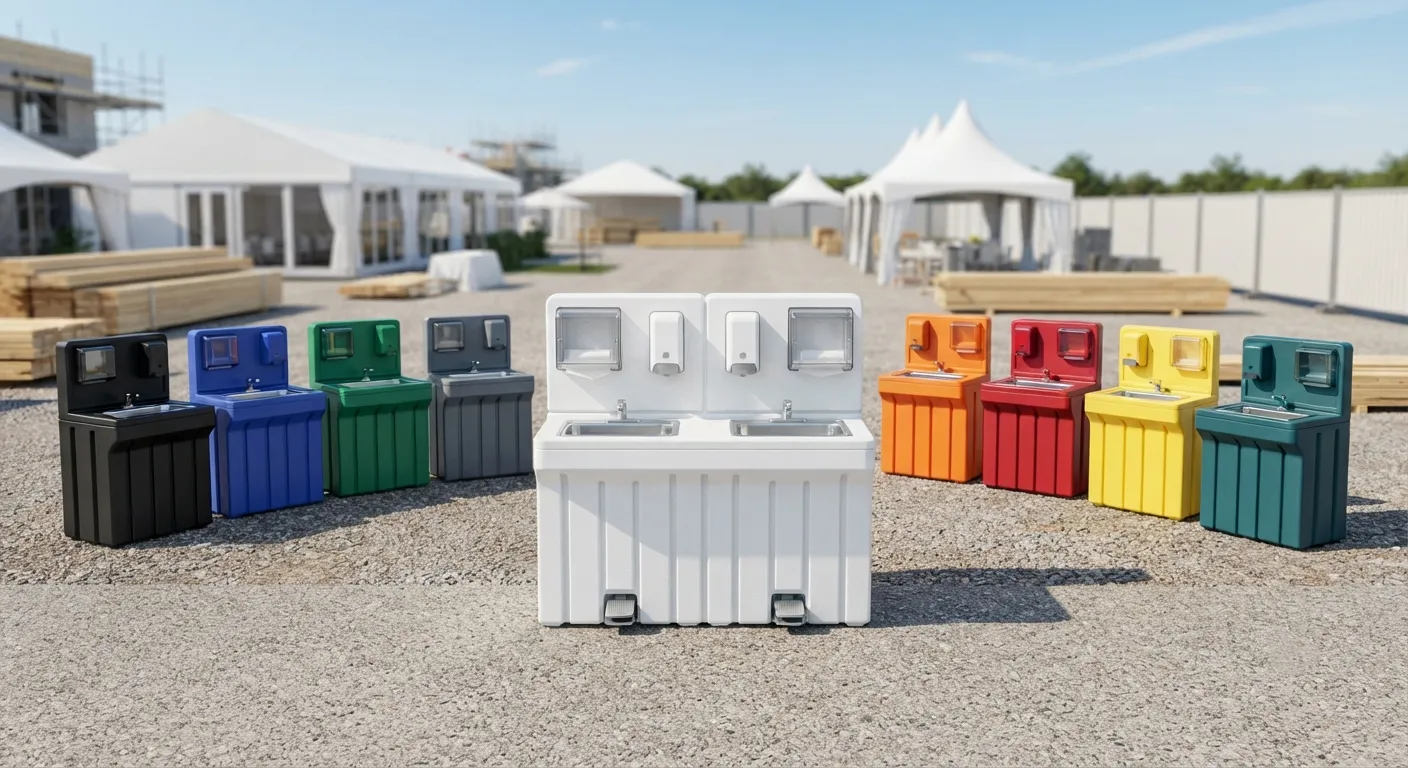
That 25 percent depth mark is the trigger, not a fixed calendar date. A busy Glendale restaurant kitchen running fryers all day fills an interceptor faster than a small cafe with light lunch service. Waiting past that mark is how kitchens end up with slow drains, backups into the prep sink, or worse, grease pushed into the city sewer line. Glendale Porta Pros checks the depth on each visit and sets a schedule from there instead of guessing. For kitchens that also run a septic system on-site, it helps to know how often to pump a septic tank, since a typical residential tank goes 3 to 5 years between services depending on tank size and household or occupancy load. Commercial interceptors work on a much shorter clock because they process grease continuously. If your kitchen is new construction or a remodel, pair grease trap service with a look at septic tank warning signs so you catch problems before a health inspection does. Food trucks and mobile kitchens working Glendale events should also look at portable restroom rental and a portable sink rental to keep handwashing compliant on site.
What does grease trap pumping cost?
Pricing depends on tank size, grease volume and how far the crew has to travel within Glendale. A small under-sink interceptor costs less to service than a large in-ground unit behind a full-service restaurant. Glendale Porta Pros quotes each job after seeing the tank, since a food truck lot near Sun City, 9.1 miles northwest of Glendale, runs a different route than a kitchen closer to downtown. For a clearer sense of what drives septic and grease pricing generally, see septic tank pumping cost. Restaurants that also generate construction debris during a remodel should check dumpster rental cost and what cannot go in a dumpster, since grease and liquid waste never belong in a roll-off. Kitchens running a full build-out sometimes need a construction dumpster rental on site at the same time crews handle the grease interceptor, and coordinating both visits in one trip keeps costs down.
Why choose emergency grease trap pumping near me?
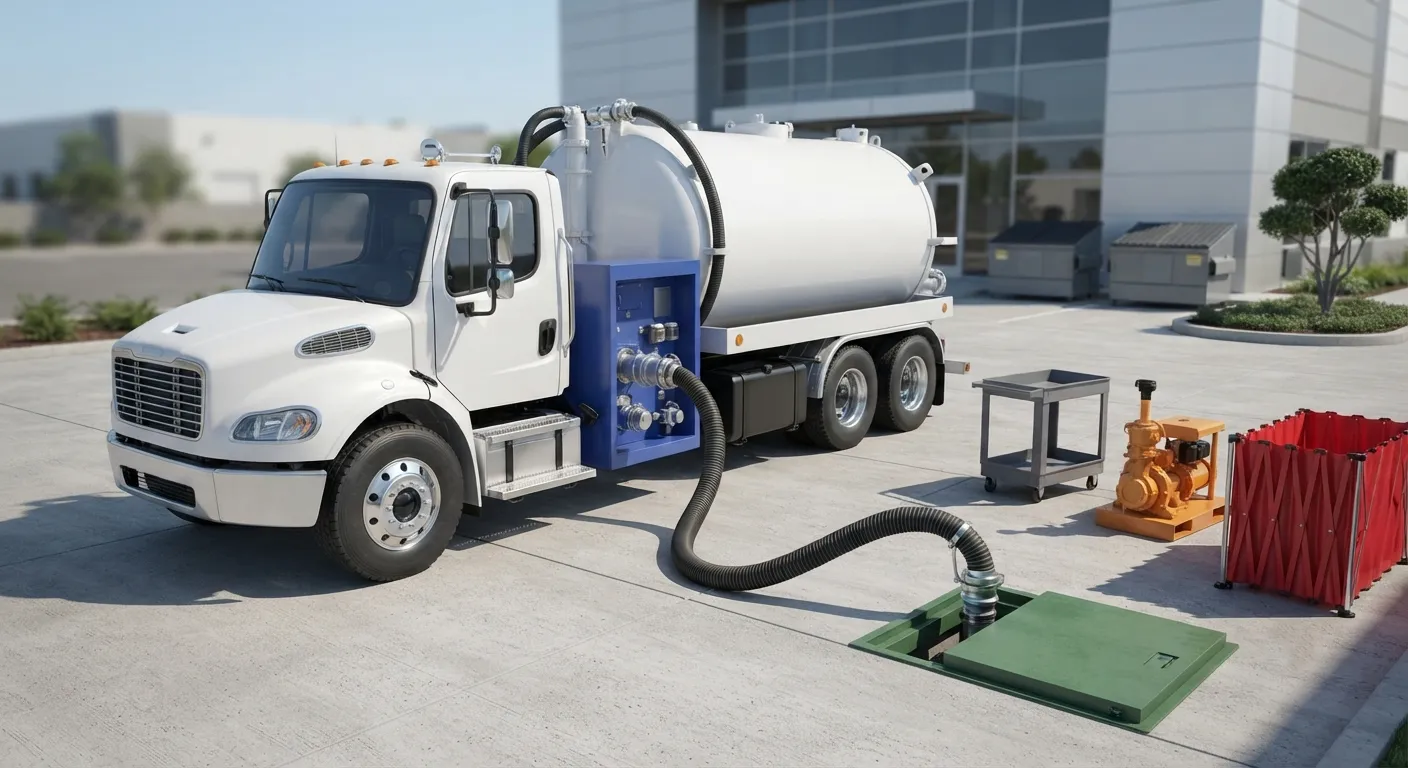
Because a clogged interceptor does not wait for a convenient afternoon. A grease trap that overflows during Friday dinner service can shut a kitchen down mid-shift, and health code violations follow fast behind a visible backup. Glendale Porta Pros runs emergency grease trap pumping for kitchens across Glendale when a scheduled visit will not get there fast enough, coordinating routes the same way we handle emergency septic service and emergency porta potty rental calls. Commercial grease trap pumping crews carry the same vacuum equipment used for standard septic work, so a call that starts as a grease emergency can often add a septic check the same visit. Kitchens near Tolleson, 9.7 miles southwest of Glendale, and Litchfield Park, 12.1 miles west, fall inside our regular service routes, which keeps emergency response times reasonable. If your facility also handles wastewater beyond the kitchen, a holding tank rental can bridge gaps while repairs happen.
How do I know my grease trap needs pumping?
Slow drains, a sulfur smell near the trap, or grease visible at the access lid are the usual signs. Grease trap pumping service works best proactively, before the FOG layer hits that 25 percent depth mark and backs up your kitchen's drain lines.
Can Glendale Porta Pros service both grease traps and septic tanks?
Yes. The same crews and vacuum trucks handle grease trap pumping and septic tank cleaning, so a property with both systems can schedule one combined visit instead of two separate calls.
Is emergency grease trap pumping available on weekends?
Yes, emergency service runs beyond the standard weekday schedule for kitchens facing an active backup. Call ahead so we can route a truck from the nearest active job in Glendale.
What size grease trap does a restaurant need?
Size depends on seating count, meal volume and cooking method, mostly fryer use. A kitchen manager should confirm requirements with the manufacturer or a plumber, since undersized traps fill fast and need pumping more often.
Does grease trap pumping help with OSHA compliance?
It supports general sanitation but is not itself an OSHA standard. Facilities still need adequate toilet facilities under OSHA 1926.51(c) and potable water under 1926.51(a)(1) for any crew working on-site during service.
Next step
Get a delivery date
Tell us the address, the dates and the headcount. We size the order and confirm the route.