
How Often Does a Septic Tank Need Pumping?
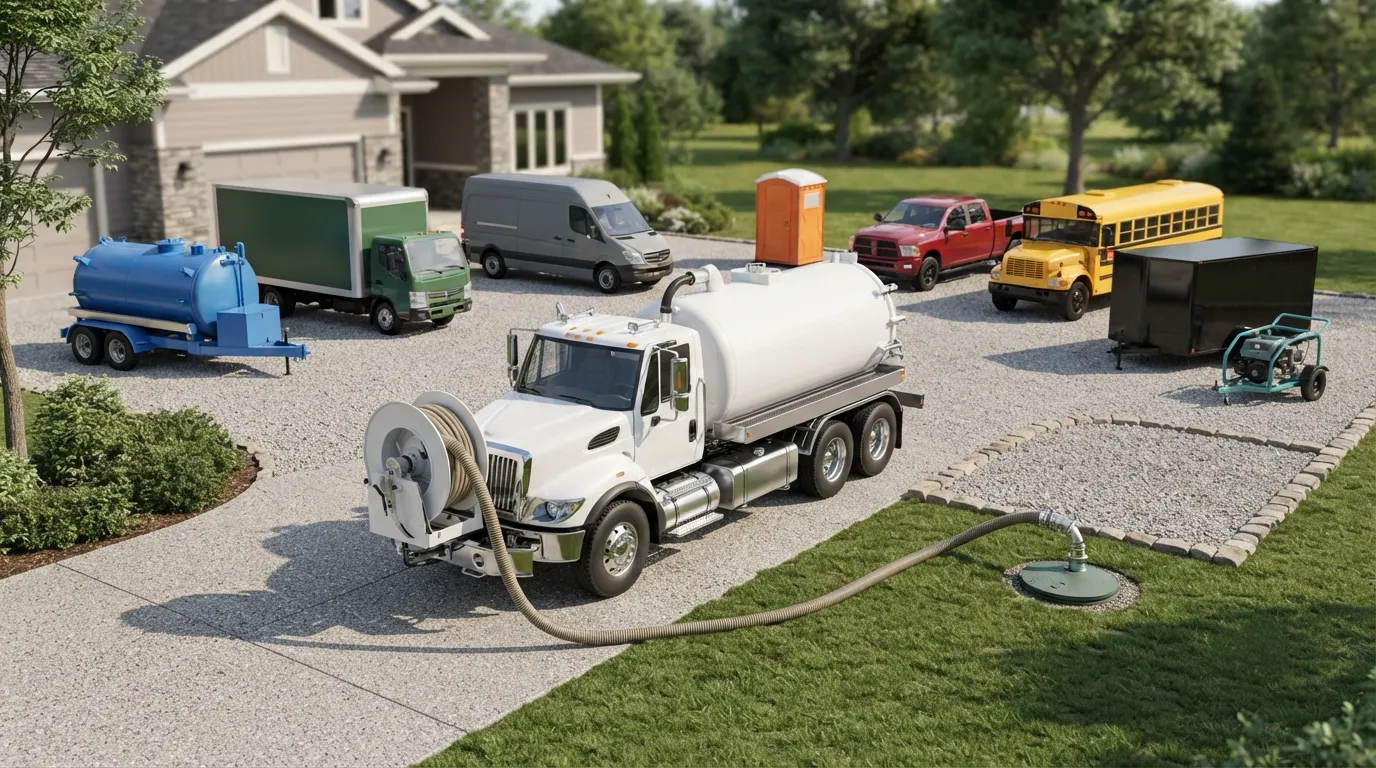
Tank size and household size decide the schedule more than anything else. A 1,000 gallon tank serving a family of four in Glendale should get pumped roughly every 3 to 5 years, and that range comes straight from tank capacity versus daily water use, not guesswork. Bigger families, garbage disposals, and older homes near Sun City, 9.1 miles northwest of Glendale, tend to fall on the shorter end of that window, similar to what we see out toward Sun City West, 16.4 miles northwest. If you've never had the tank serviced, or you inherited a property and don't know the last pump date, that's reason enough to schedule a look, and it's worth checking the porta potty rental checklist if the property also needs job site sanitation during work. Commercial kitchens are a different animal entirely: a grease interceptor needs pumping once fats, oils, grease and solids build up to 25 percent of the liquid depth, which can mean monthly service depending on volume. That's a separate line of work from residential tanks, covered on our grease trap pumping page. If you're setting up a schedule for the first time, our how often to pump a septic tank guide walks through the math for your specific setup, and pairs well with the septic tank warning signs page below.
What Are the Warning Signs a Septic Tank Needs Pumping?
Slow drains in more than one fixture at once is usually the first sign, followed by gurgling in the pipes and standing water near the drain field. Sewage odor around the tank lid or drain field, especially after rain, means the tank is likely full or the field is failing. Sinks and tubs draining slower each week point the same direction, and the same overload logic applies to a rental unit under heavy use, which we cover on do porta potties smell. If toilets back up when you run the washing machine, the tank is telling you it's past due. Grass that's suspiciously greener or wetter over the drain field, even in dry Glendale summers, is a classic sign of a leak or overflow. None of these are emergencies on their own, but ignored long enough, they become one, the same way a porta potty in winter can freeze up if it's ignored too. We cover the full list on septic tank warning signs, and if you're already seeing sewage backup or standing water, jump to our emergency septic service page instead of waiting for a scheduled slot. Waiting on a full tank risks the drain field itself, which costs far more to repair than a pump-out ever will.

What's Included in a Septic Pumping Service?
A standard visit means locating and uncovering the tank lid, pumping the tank fully, and a basic check of the baffles and tank condition while the crew is down there. We haul the waste off site to a licensed disposal facility, which is standard practice and not something a homeowner can legally do themselves, much like disposal rules covered on what cannot go in a dumpster for roll-off jobs. If the lid is buried, that adds time; if it's already exposed or has a riser installed, service goes faster, similar to how a clear approach speeds up roll-off dumpster rental or storage container rental drop-offs. We also flag anything that looks like a bigger problem, cracked baffle, root intrusion, a failing drain field, so you know before it becomes an emergency call. This is different from a portable holding tank, which is a sealed unit with no drain field and gets services on its own schedule; see holding tank rental for that setup. It's also unrelated to a construction site's portable restroom needs, which fall under OSHA 1926.51(c) toilet ratios rather than septic rules, covered on our portable toilet rental and construction site services pages.
How Much Does Septic Tank Pumping Cost?
Cost depends mostly on tank size and access, not distance within Glendale. A standard day-rate pump-out for a typical residential tank runs in the range below, and a shorter weekend call comes at a bit of a premium if you need someone out on a Saturday.
| Service | Price Range |
|---|---|
| Standard septic pump-out (day rate) | $150 - $300 |
| Weekend septic call | $50 - $150 |
These are the bands we see across the market, not a flat quote, since a tank buried under three feet of soil takes longer than one with an accessible riser, the same way monthly porta potty rental rates shift with access and duration. For a full breakdown of what drives the number up or down, see septic tank pumping cost and septic tank cleaning. If you're comparing this against portable sanitation costs for a job site instead, that's a different budget entirely, covered on porta potty rental cost and porta potty rental per day.
Do You Offer Holding Tank Service Too?
Yes, and it's a different job than pumping a septic tank. A holding tank has no drain field at all. Everything that goes in stays in until it's pumped out, so the service interval depends entirely on how many people are using it and how often, not on soil absorption. That makes holding tanks common on construction sites without sewer hookups, remote properties, and events where a septic system isn't practical or doesn't exist yet, the same crowd that rents a restroom trailer rental or a 2 stall restroom trailer for the same job. We handle these on the same trucks we use for septic pumping, and pricing follows a similar structure to a standard septic call, comparable to how temporary fence rental and light tower rental get priced by day, week or month on the same site. See holding tank rental for setup details, or if this is for a work site rather than a home, pair it with construction site services and a handwashing station rental, since OSHA's potable water rule under 1926.51(a)(1) applies to job sites regardless of whether they're on septic, city sewer, or a holding tank.
Is Emergency Septic Service Available in Glendale?
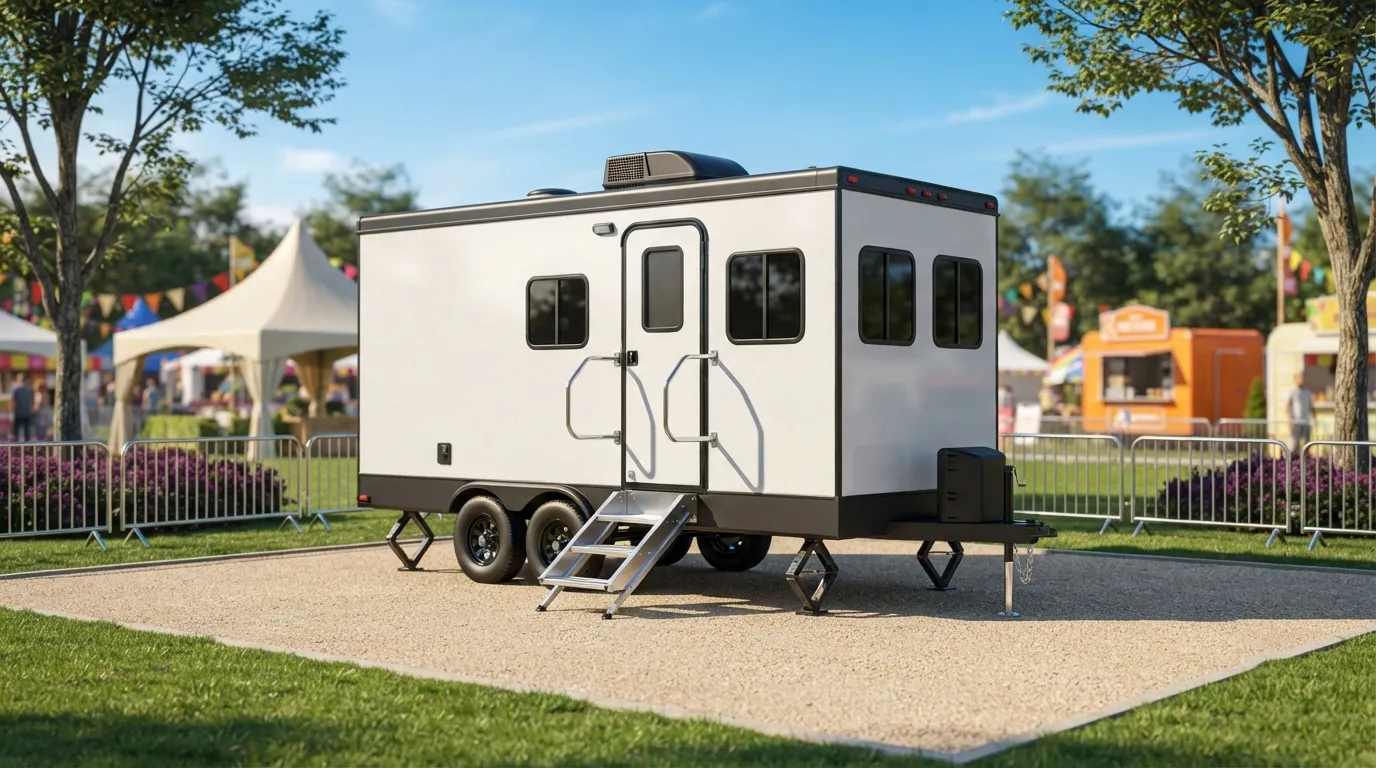
Yes. Backups don't wait for a convenient time, and neither do we. If sewage is backing up into the house or pooling in the yard, that's an emergency call, not a scheduled one, and we prioritize those over routine pump-outs. Response time depends on where you are relative to our trucks, but Glendale itself is our home base, so most calls here move fast, the same dispatch priority we use for emergency porta potty rental calls. We also cover the towns around it: Tolleson sits 9.7 miles southwest, Youngtown is 9.6 miles northwest, and El Mirage is 11.3 miles northwest of Glendale. Further out, Litchfield Park is 12.1 miles west and Paradise Valley sits 15.5 miles east. For the full list of towns we reach, check service areas, or start from porta potty rental in Glendale if you need both septic and toilet rentals on the same visit. If you're mid-emergency right now, skip ahead to emergency septic service or just request a quote and we'll call back with a window.
How much does septic tank pumping cost on average?
A standard residential pump-out in Glendale runs $150 to $300 for a day-rate visit, depending mostly on tank access and size. A weekend call runs $50 to $150 as a shorter add-on rate. Tank condition and burial depth can push either number up.
How often should a 1,000 gallon septic tank be pumped?
Every 3 to 5 years for a typical household, though a larger family or heavy water use shortens that window. Tank size and household size together decide the actual interval, so a smaller tank with more people needs more frequent service.
What happens if I don't pump my septic tank?
Solids build up until they overflow into the drain field, which can clog or damage it permanently. A drain field repair costs far more than routine pumping ever does. Warning signs like slow drains and odors usually show up before a full failure, so don't ignore them.
Can I pump my own septic tank?
No. Waste has to go to a licensed disposal facility, and most homeowners don't have the equipment or the legal setup to haul it themselves. A licensed service handles the pump-out, transport and disposal in one visit, which is what a standard septic pumping service includes.
Is septic pumping different from a holding tank pump-out?
Yes. A septic tank works with a drain field that treats wastewater on site, while a holding tank stores everything until it's hauled away, no drain field involved. Holding tanks are common on job sites and remote properties without sewer access.
Does Glendale Porta Pros handle emergency septic backups?
Yes, emergency calls get priority over scheduled pump-outs. Sewage backup or standing water in the yard qualifies as urgent, and Glendale Porta Pros dispatches based on your location relative to available trucks, with Glendale itself as the home service base.
Next step
Get a delivery date
Tell us the address, the dates and the headcount. We size the order and confirm the route.