
How Often Does a Septic Tank Need Cleaning?
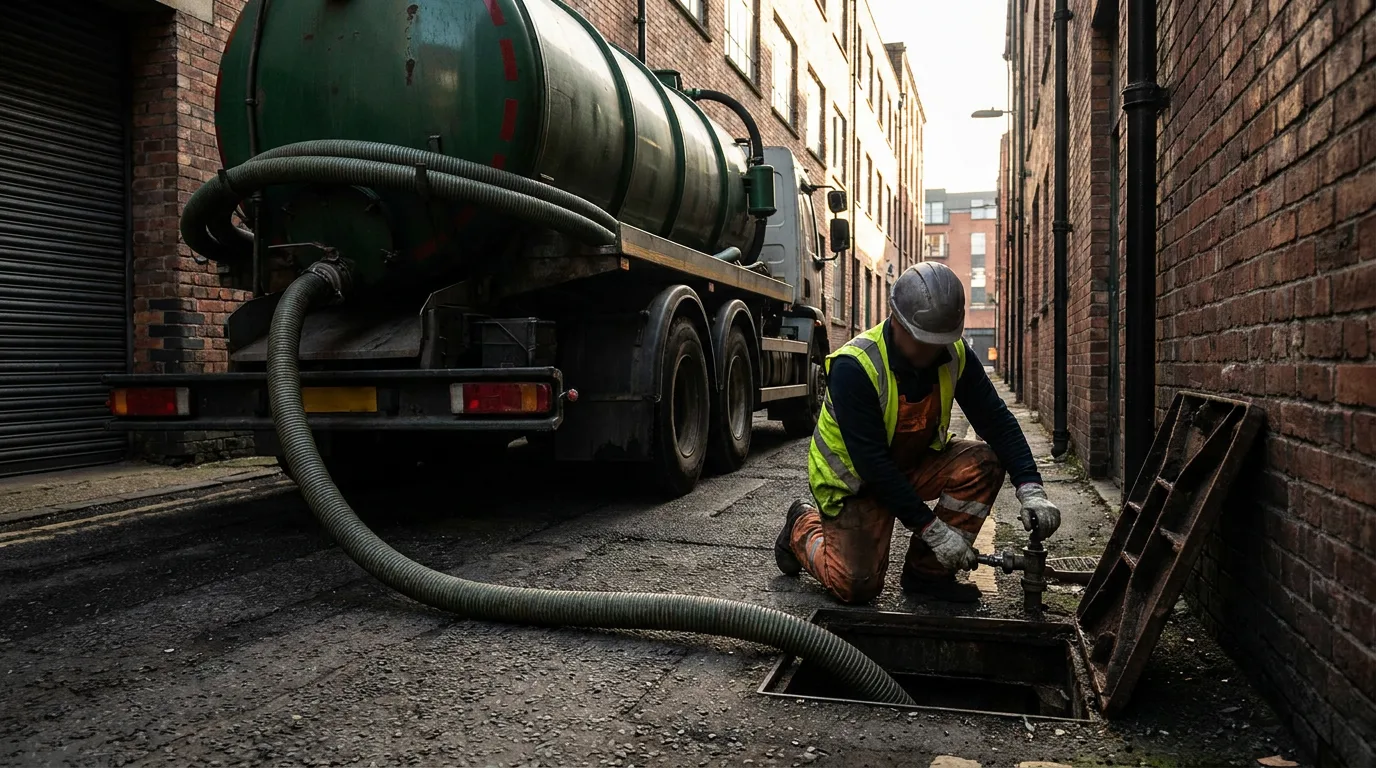
The honest answer is: it depends on your tank and your household. A 1,000 gallon tank serving two people stretches out fine near the 5 year mark. The same tank under a family of six, with a disposal running daily, needs attention closer to 3 years. That range comes from tank size and household size working together, not one or the other alone. If you notice slow drains or standing water near the drain field, do not wait for the calendar. Read the septic tank warning signs page to catch trouble early. Glendale's mix of older homes and newer builds means tank sizes vary block to block, so a neighbor's schedule is not yours. Glendale Porta Pros logs tank size and pump dates so you are not guessing next time. For a straight number on what a visit runs, check septic tank pumping cost before you call around. Businesses running commercial kitchens have a different clock entirely, tied to grease buildup rather than years, and job sites juggling both septic and toilet needs often start with portable toilet rental to cover the gap.
What Affects Septic Tank Cleaning Frequency?
Household size drives the schedule more than anything else. More people means more water and more solids going into the tank every day. Garbage disposals push frequency up too, since they add solid waste that would otherwise go in the trash. Tank size is the other half of the equation: a bigger tank buys more time between pumps. Soil conditions and drain field health matter as well, and a struggling field often shows up as slow-draining sinks before the tank itself is the problem, similar to how a portable restroom rental needs the right ground conditions for placement. If you are unsure what size tank you have, a septic tank cleaning visit usually includes a look at tank condition. Homes near Litchfield Park, 12.1 miles west of Glendale, often deal with different soil profiles than homes closer to central Glendale, which can shift drain field performance. Renovation projects that add bathrooms or laundry hookups increase load fast, so if you are mid-remodel, pair your septic check with a look at home renovation porta potty needs for the crew on site, and if the crew also needs debris hauled off, a roll-off dumpster rental covers that side of the job.

Do Commercial Properties Need Different Service?
Yes. Restaurants and food service properties run on a fats-oils-grease clock, not a years clock. A grease interceptor gets pumped once fats, oils, grease and solids reach 25 percent of the liquid depth, which can happen in weeks depending on volume. That is a completely different rhythm from a residential tank on a 3 to 5 year cycle, closer to the weekly service interval used for portable sink rental units at busy sites. If you operate a kitchen anywhere in Glendale, from a small cafe to a full-service restaurant near Sun City, 9.1 miles northwest, get on a grease trap pumping schedule rather than waiting for a slowdown. Farms and agricultural operations have their own sanitation needs too, often tied to field labor rather than a building; see farm and agricultural restrooms for that side of things. Construction sites, event venues and film sets all have their own service intervals, and none of them match a residential septic schedule; a film set restroom rental or a festival restroom rental runs on the event calendar instead. If your property serves customers or workers rather than a household, treat frequency as a volume question, not a calendar question.
When Should I Call for Emergency Septic Service?
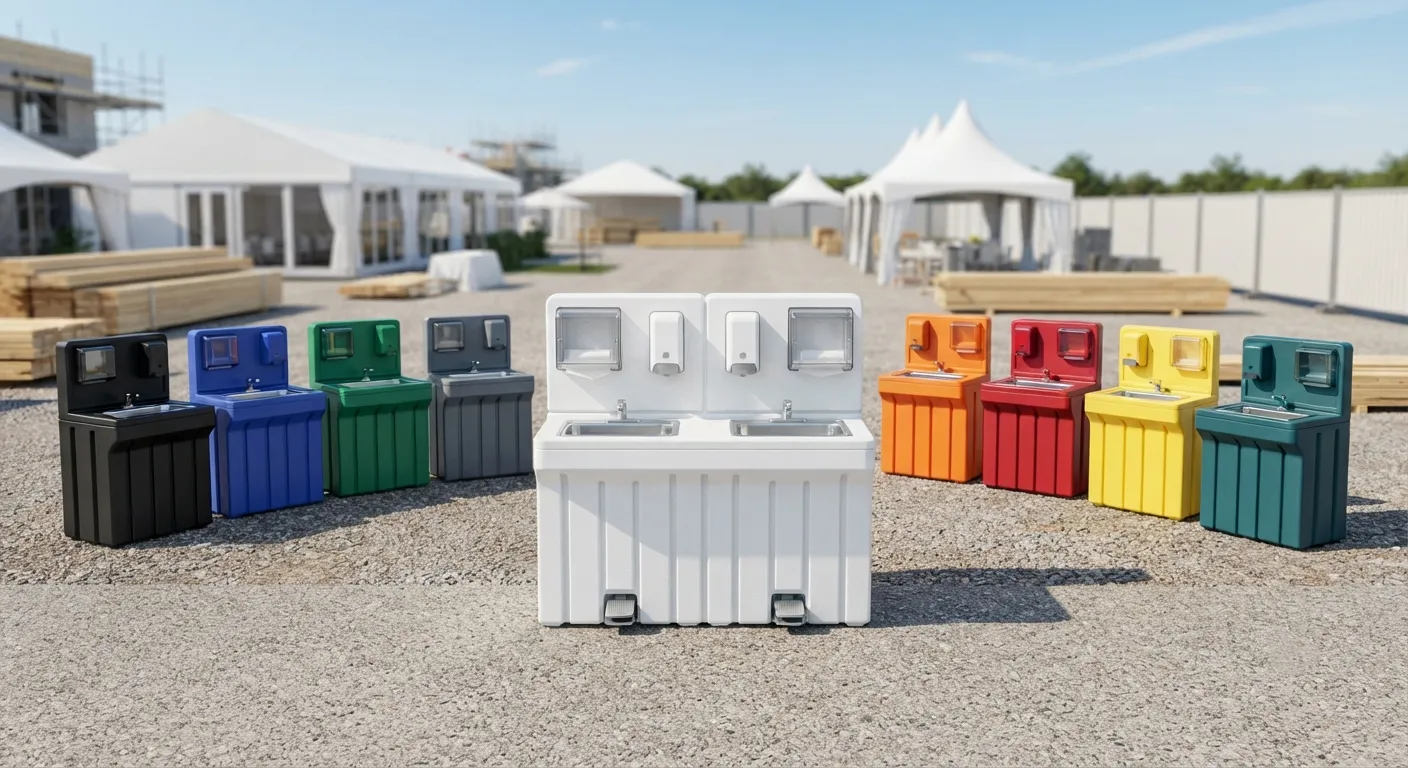
Call as soon as you see sewage backing up, smell odors indoors, or notice pooling water over the drain field. Those are signs the tank is already past capacity, not early warnings. Waiting even a day or two can turn a routine pump into a bigger repair. Glendale Porta Pros offers emergency septic service for exactly this situation. While you wait for a truck, a holding tank rental can keep a household or job site functioning without shutting things down, and a handwashing station rental covers hygiene needs in the meantime. This matters most for larger households, rental properties, or businesses where downtime costs money every hour, and property managers juggling several units sometimes add a storage container rental on site during longer repairs. If your property sits farther out, say near Sun City West, 16.4 miles northwest, or Maricopa Colony, 14.0 miles south, plan for slightly longer response windows and call earlier rather than later. Construction crews dealing with sanitation gaps during a septic emergency should also look at construction site services for temporary coverage, and event organizers can check event restroom rental if a venue's system fails before a scheduled gathering.
How do I know my tank size?
Check your home's paperwork or septic permit records, or ask during a pump visit; Glendale Porta Pros can measure and record it for you, the same way our porta potty rental crews log tank data on every stop. Most residential tanks run around 1,000 gallons, though older Glendale homes sometimes have smaller tanks that need more frequent service.
What happens during a pumping visit?
A truck arrives, opens the tank access, and removes the accumulated solids and liquid through a hose. Most residential visits take under an hour. It is a good time to ask about warning signs and get a rough estimate for your next service window.
Can I extend the time between pumpings?
Somewhat. Using less water, running the disposal less, and avoiding flushing wipes or grease all help. But household size and tank capacity still set the outer limit, and stretching past 5 years on a small tank is risky regardless of habits.
Does Glendale require a permit for septic work?
Permit rules for septic systems vary by scope of work, and this needs confirming directly with the City of Glendale before any tank replacement or major repair, much like dumpster permit requirements vary by project. Routine pumping generally does not trigger the same permit questions as new installation.
Is a grease trap the same as a septic tank?
No. A grease trap handles fats, oils and grease from commercial kitchens and fills up much faster, while a septic tank handles household wastewater on a multi-year cycle. Commercial kitchens need grease trap pumping on its own schedule.
Next step
Get a delivery date
Tell us the address, the dates and the headcount. We size the order and confirm the route.