
What Cannot Go In a Dumpster?
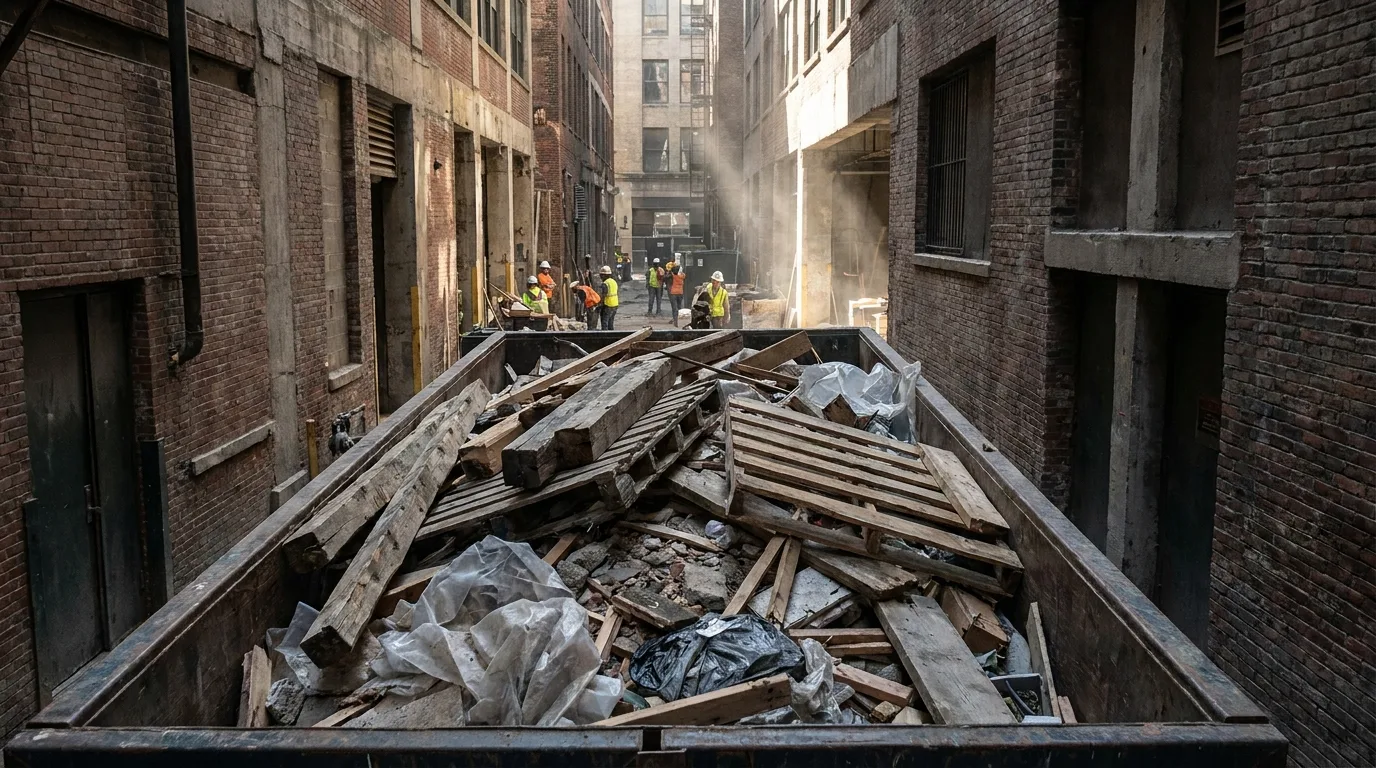
The short answer: anything that can leach, ignite, explode or poison someone down the line. That covers paint cans with liquid still in them, motor oil, antifreeze, pesticides, solvents and anything else with a hazard label on the container. Batteries, whether car batteries or the household kind in bulk, don't belong in there either. Neither do propane tanks or aerosol cans that still have pressure in them. Tires are usually barred too, along with refrigerators, freezers and window units that still hold refrigerant, because those need separate handling. If you're clearing a renovation job and wondering what a home renovation porta potty setup looks like alongside your dumpster, that's a separate rental, but the debris rules stay the same. Asbestos siding, popcorn ceiling material, and anything else known or suspected to contain asbestos needs a licensed abatement contractor, not a standard roll-off dumpster. Medical waste, needles and biohazard material are also off the table. When customers in Glendale ask us why a load got rejected at the transfer station, it's almost always one of these categories hiding under a tarp of regular debris.
Why Can't I Just Throw Everything In?
Because a mixed load with hazardous material in it can get the whole dumpster refused at the disposal facility, and that cost lands on you. Weight matters too. A 20 yard dumpster rental has a real capacity ceiling, and overloading it past the posted dumpster weight limits triggers overage charges before the truck even leaves your Glendale driveway. Wet concrete and dirt are deceptively heavy for their volume, so a half-full bin of masonry debris can already be at its weight cap. If you're clearing a construction site, pair the dumpster with proper construction site services planning up front, including a look at dumpster permit requirements if the container sits in a street or right of way. Glendale's public right of way rules for placement need confirming directly with the city before drop-off, since we don't publish a permit number here. Housekeeping matters on an active job site too. OSHA 1926.25 requires scrap and debris to be cleared from work areas regularly, and having the right size container, whether that's a 10 yard dumpster rental or a 30 yard dumpster rental, keeps that cleanup realistic instead of aspirational.

Where Do Banned Items Actually Go Instead?
Most banned items have a dedicated path, and skipping it just moves the cost somewhere else. Paint, solvents and pesticides typically need a household hazardous waste drop-off, not curbside pickup and not your rental bin. Appliances with refrigerant need a certified technician to reclaim the refrigerant before scrapping. Tires often go back to a tire retailer or a dedicated recycling center. Batteries, especially lead-acid car batteries, are usually accepted free at auto parts stores because the lead has resale value. If your project also involves grease, food waste or restaurant byproducts, that's a different service line entirely: a grease interceptor is pumped when fats, oils, grease and solids reach 25 percent of the liquid depth, and that's a job for grease trap pumping, not a dumpster. Septic solids are the same story. A residential septic tank is typically pumped every 3 to 5 years depending on tank size and household size, which is a septic pumping service call, not something you bag and toss. If you're not sure which category something falls into before your Glendale delivery, ask before loading, not after.
Do I Need a Permit for What I'm Throwing Away?
Sometimes, and it depends less on what's in the dumpster and more on where the dumpster sits. If the container goes on your own driveway or private lot, permitting is usually a non-issue. If it needs to sit in a street, alley or the public right of way, Glendale requires confirmation of placement rules directly with the city, since we're not publishing a specific ordinance number here without verifying it first. Check our dumpster permit requirements page before you schedule, and mention the placement location when you book with Glendale Porta Pros so we can flag anything that needs a closer look. This is separate from the material restrictions above. You can have full permit approval for the container's location and still get charged extra for banned material found in the load. For general dumpster rental cost planning, keep both variables in mind: placement and content. If your project spans multiple phases, like framing followed by drywall and finish work, a 40 yard dumpster rental swapped out partway through often costs less in fees than one bin overloaded twice.
Can I put wet paint in a dumpster if the can is empty?
Empty and fully dried paint cans are usually fine. Wet or liquid paint is not, in Glendale or anywhere else, because it's classified as hazardous waste. Let cans air dry completely, lid off, before tossing them, or take liquid paint to a household hazardous waste site instead.
What happens if hazardous material is found in my dumpster?
You'll likely get a rejection notice or a separate disposal fee added to your invoice. The disposal facility sorts loads and flags anything with a hazard label, a smell, or visible liquid chemicals, then bills the difference back through the rental company.
Are mattresses and furniture allowed?
Mattresses and furniture are usually fine in a standard roll-off, though some facilities charge a small surcharge per mattress. Confirm with your Glendale Porta Pros rep before loading if you've got several, since local disposal rules shift by facility.
Can construction debris like drywall and lumber go in together?
Yes, drywall, lumber, and general construction debris can typically share a load. The concern is weight, not mixing materials, so check your dumpster weight limits especially if the load includes concrete, tile or roofing shingles.
Do I need a separate bin for yard waste?
Not always, but heavy wet yard waste like sod or wet leaves adds weight fast. For a small residential cleanup, a same rental usually handles yard debris and household junk together as long as you stay under the weight cap.
Next step
Get a delivery date
Tell us the address, the dates and the headcount. We size the order and confirm the route.