What does OSHA actually require for handwashing?
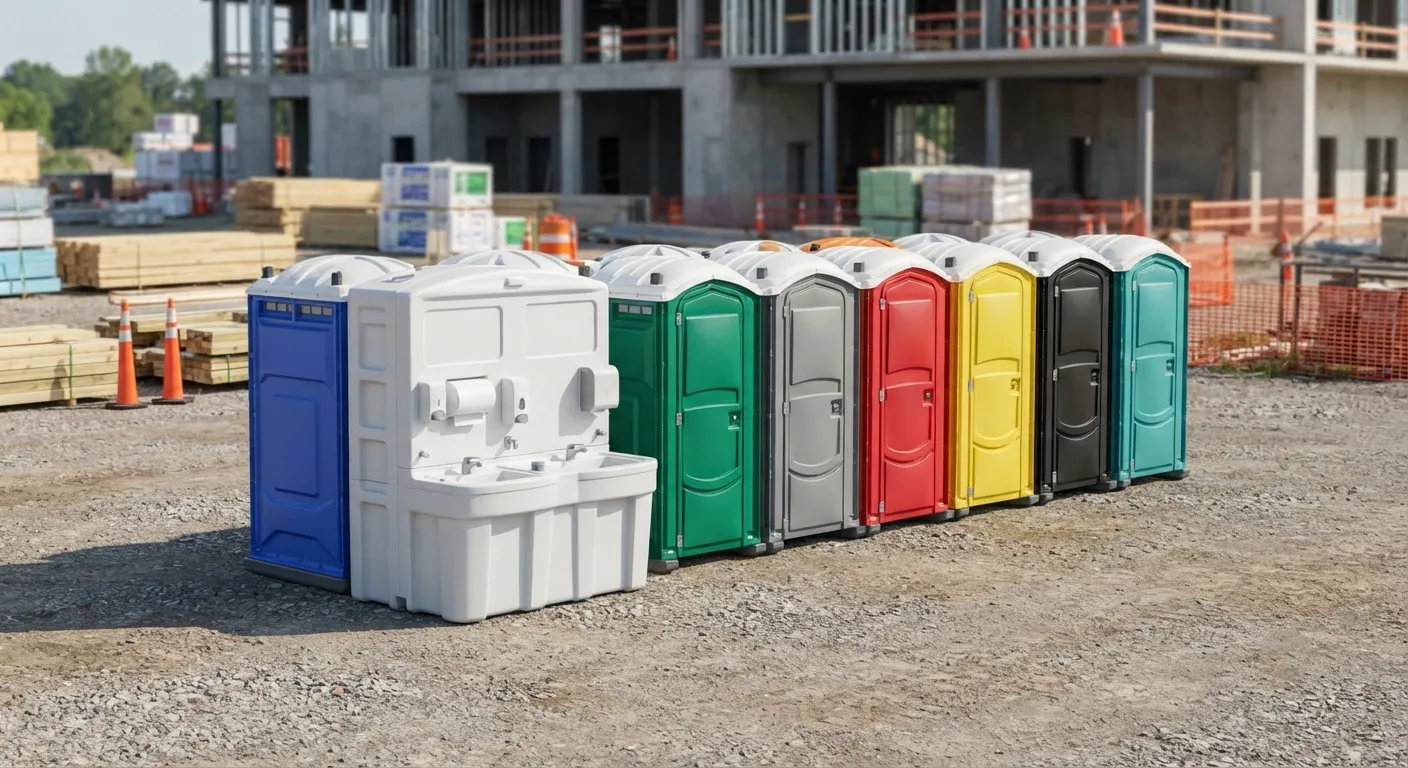
People mix this up with toilets, so let's separate them. OSHA 1926.51(c) sets toilet counts on construction sites: one facility for 20 workers or fewer, then a seat and a urinal per 40 workers as the crew grows past that, and one per 50 once you hit 200 or more. That's a toilet rule, not a handwashing rule. Handwashing under 1926.51(f)(1) kicks in specifically where employees apply paints, coatings, herbicides, or insecticides, or handle other contaminants. If your Glendale crew isn't doing that kind of work, this citation doesn't apply, and you're back to general sanitation. For general industry workplaces, not construction, the toilet ratio comes from OSHA 1910.141(c)(1)(i) instead, a separate table for offices, warehouses, and shops. Whichever rule fits your site, water still matters: 1926.51(a)(1) requires an adequate supply of potable water at every place of employment, and a handwashing station rental is how most Glendale contractors satisfy that without trucking water themselves. Farms have their own standard, covered below.
Do portable sinks satisfy the soap and towel rule?
Yes, if they're stocked right. 29 CFR 1910.141(d)(2) requires soap and towels or a hand drying device at washing facilities, and hand sanitizer alone does not meet that standard. A portable sink rental from Glendale Porta Pros comes with a soap dispenser and paper towel roll built in, refilled on every service visit. If your crew is relying on a hand sanitizer station rental as the only option on site, that covers the gap between washes but it doesn't substitute for real soap and water where the rule requires it. We see this mix-up a lot on Glendale renovation jobs pulled together fast: a home renovation porta potty shows up, sanitizer gets bolted onto the trailer, and nobody adds a proper sink. Pair the two. A basic sink unit runs in line with standard rental pricing for the trip, and it closes the compliance gap cheaper than a callback after an inspection.

Where do farm sites and food service fit in?
Agricultural operations follow OSHA 1928.110, field sanitation for hand-labor employees: potable water, toilets, and handwashing at one facility per 20 workers, and none of it more than a quarter mile walk from where people are working. That's a tighter placement rule than most construction sites face, and it's worth checking before you plan farm and agricultural restrooms for a property outside Glendale proper. Food handling adds its own layer on top of OSHA, since health codes typically expect washing stations near any prep or serving area regardless of worker count. Event organizers running a festival restroom rental or county fair restrooms setup with food vendors should plan handwashing near the vendor line, not just near the toilet bank. A grease trap pumping schedule matters here too if there's a kitchen involved, since a grease interceptor gets pumped once fats, oils, grease, and solids reach 25 percent of the liquid depth, and a clogged trap backs up wash water fast.
How many stations does a Glendale site actually need?
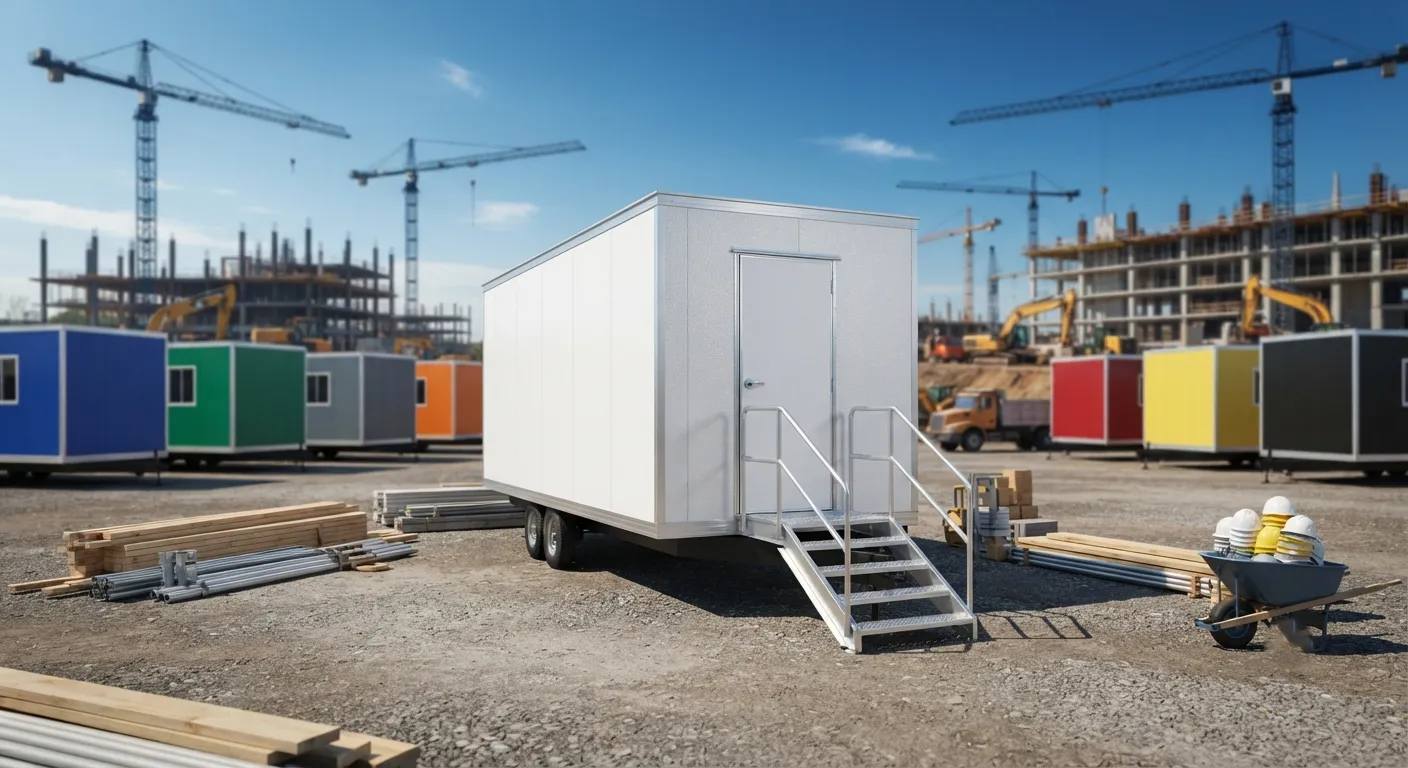
There's no fixed OSHA headcount for handwashing units the way there is for toilets, but ANSI/PSAI Z4.3 sets the service baseline most rental companies plan around: one weekly service visit covers up to 10 users over a 40 hour week. Scale up from there. A 30-person Glendale crew is comfortable with two to three stations serviced on that same weekly rhythm, more if painting or coating work triggers 1926.51(f)(1). We deliver stations alongside standard porta potty rental units on the same truck run for most Glendale jobs, and combining orders keeps delivery fees down. Sites near Sun City, 9.1 miles northwest of Glendale, or Tolleson, 9.7 miles southwest, get folded into the same route without a separate trip charge in most cases. If you're not sure how many units your site needs across toilets and sinks combined, our how many porta potties do I need guide walks through headcount math, and the OSHA portable toilet requirements page breaks the ratio table down further.
Frequently Asked Questions
Does a hand sanitizer station meet OSHA's requirement?
No. 29 CFR 1910.141(d)(2) calls for soap and towels or a hand drying device, and sanitizer doesn't satisfy that on its own. Use it as a supplement between full washes, not a replacement. Pair a hand sanitizer station rental with an actual sink unit for compliant coverage on a Glendale site.
Do I need handwashing if my crew isn't painting or spraying?
You still need potable water under OSHA 1926.51(a)(1) regardless of task. The contaminant-specific rule, 1926.51(f)(1), only applies to paints, coatings, herbicides, and insecticides. Outside that, general industry sites follow 1910.141(c)(1)(i) for facility counts instead.
Can I rent a handwashing station alone, without toilets?
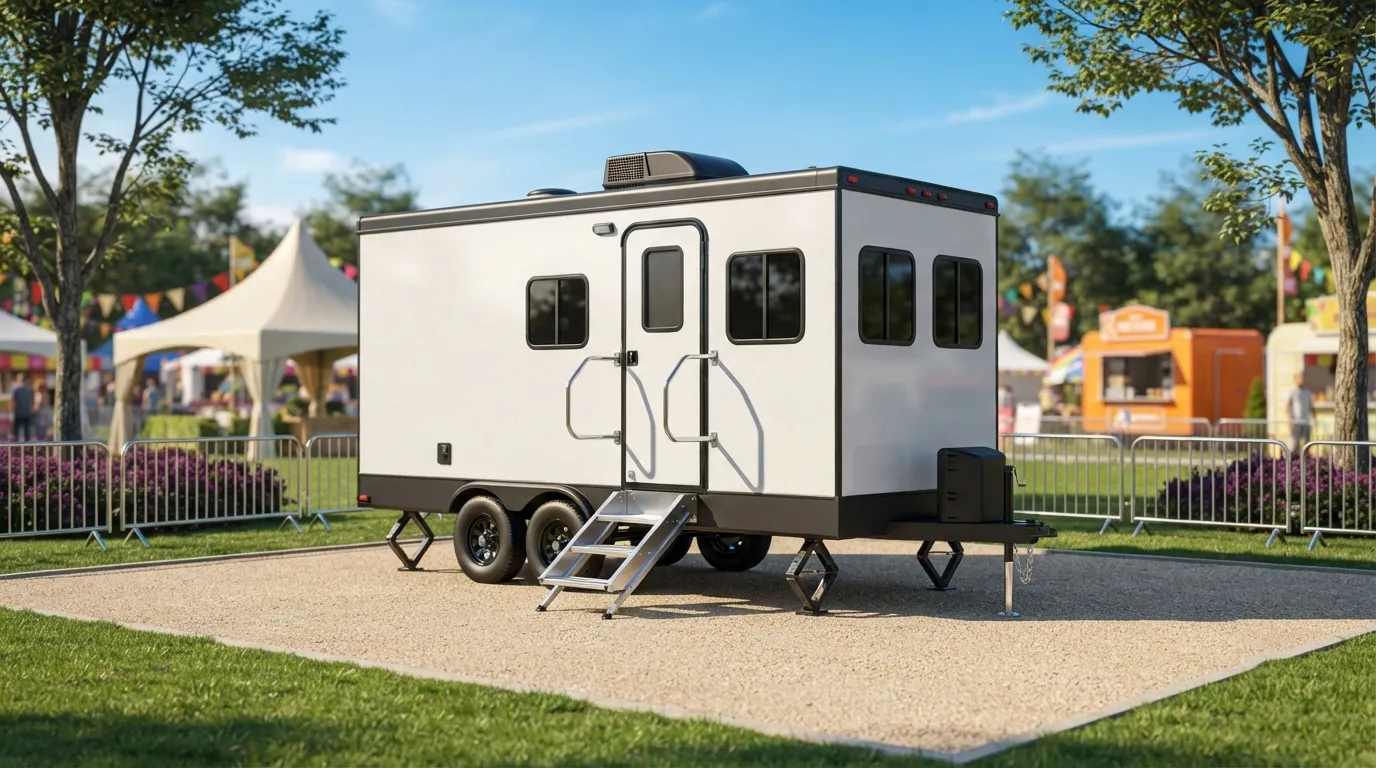
Yes. Glendale Porta Pros rents portable sink rental units as standalone equipment for kitchens, food trucks, and vendor rows. Many customers add them to an existing event restroom rental order instead, since delivery gets combined onto one trip.
How often does a handwashing station get serviced?
ANSI/PSAI Z4.3 sets a weekly baseline for up to 10 users across a 40 hour week. Higher-traffic Glendale sites, like a concert restroom rental setup or a busy renovation crew, often need twice-weekly service to keep soap and towels stocked.
What is the difference between toilet rules and handwashing rules?
Toilet counts come from OSHA 1926.51(c) on construction sites, scaled by headcount. Handwashing is a separate requirement, either the contaminant-specific 1926.51(f)(1) or the general potable water rule in 1926.51(a)(1), and the two don't share a ratio table.
Next step
Get a delivery date
Tell us the address, the dates and the headcount. We size the order and confirm the route.